Prepare before opening the package
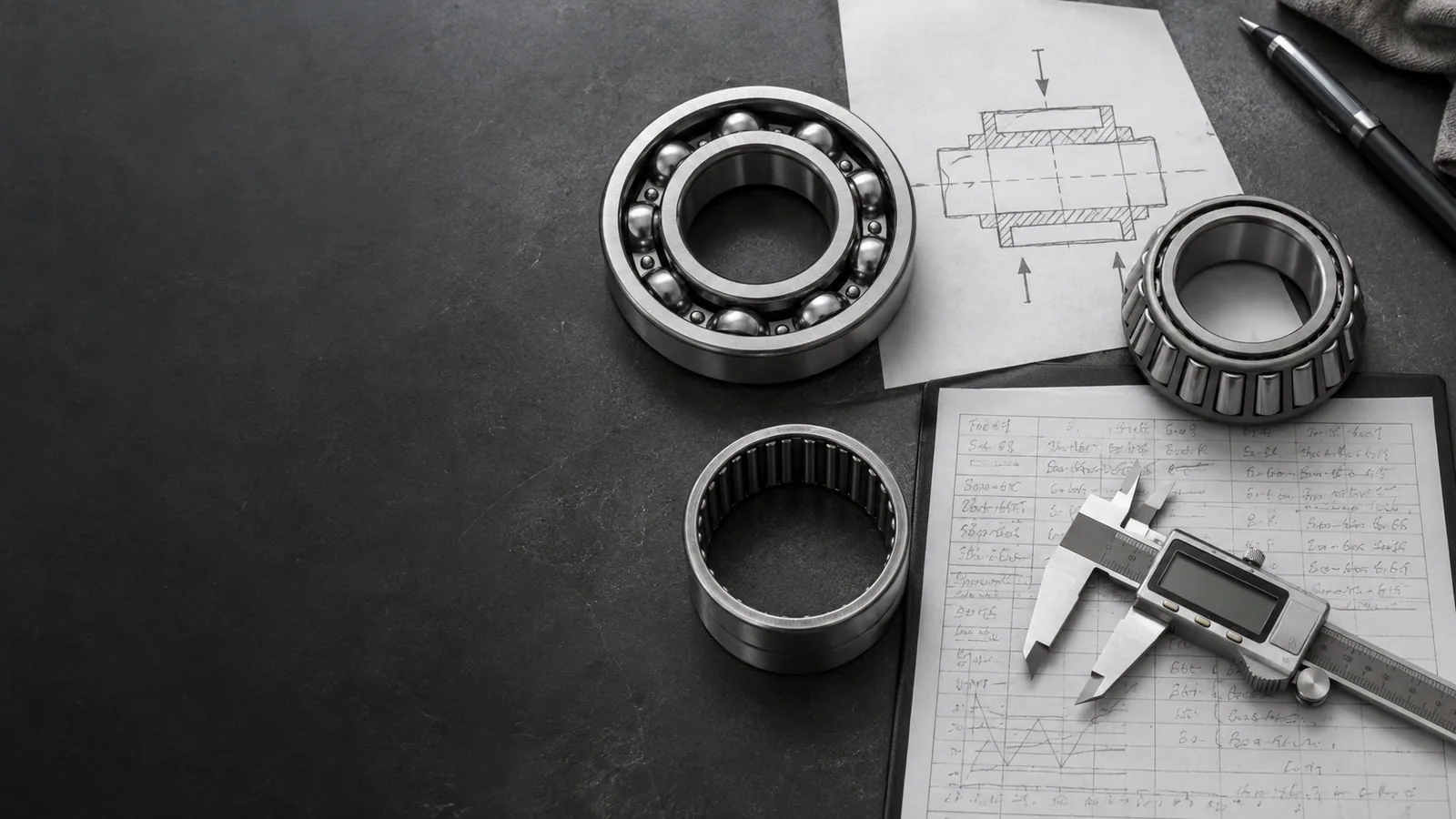
Rolling bearings are precision components. Clean the work area, tools, shaft and housing, then confirm seat dimensions, geometry, shoulders and surface condition. NSK recommends unpacking bearings only immediately before mounting.
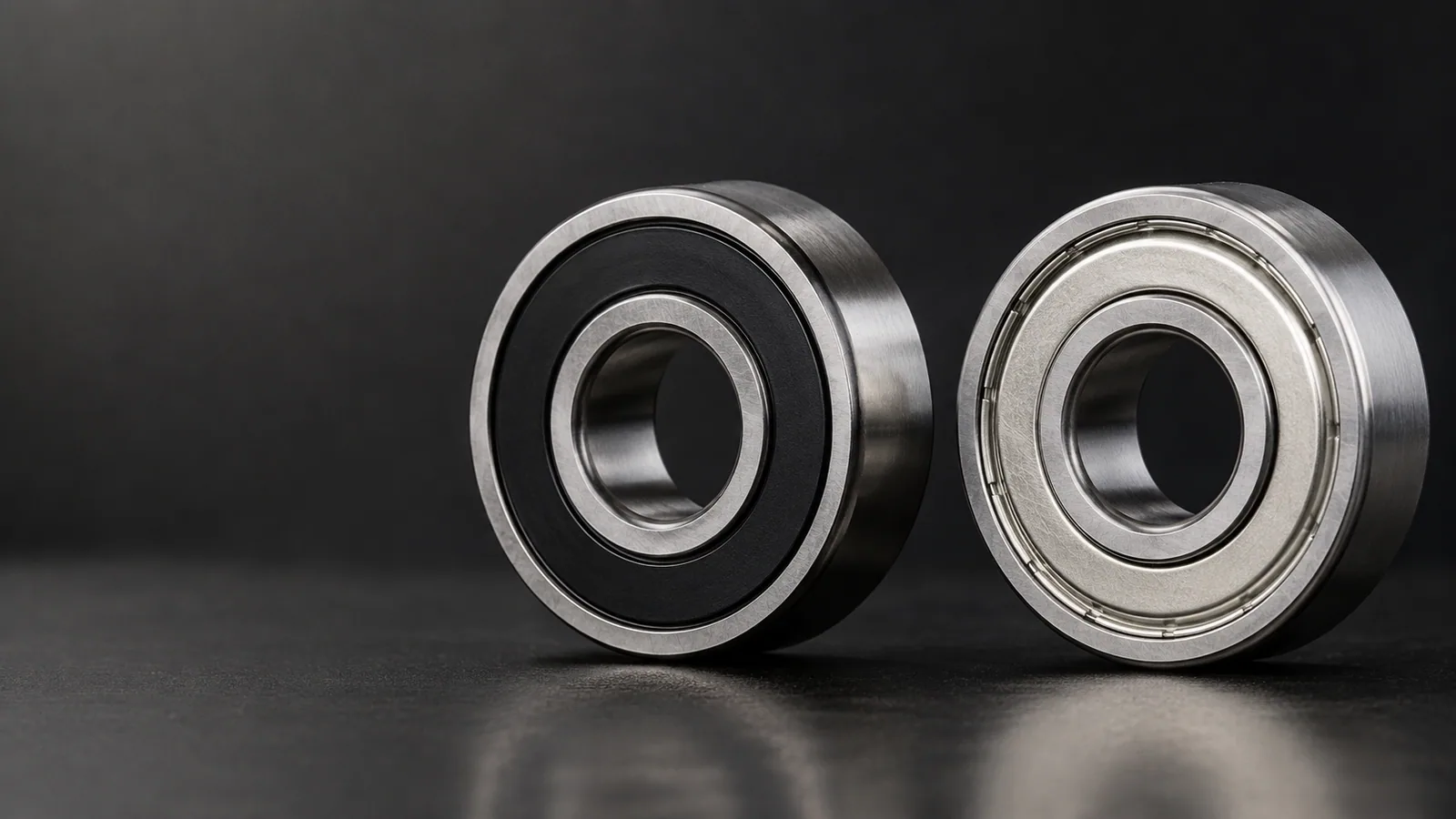
Factory-greased sealed bearings are normally installed without washing. Any exception, such as special high-speed preparation, should follow the exact bearing and equipment instructions. Protect open bearings and prepared parts from dust and corrosion.
Control the force path
For a non-separable bearing, mounting force must act directly on the ring receiving the interference fit. Pressing an inner ring by pushing on the outer ring, or vice versa, transmits force through the rolling elements and can indent raceways.
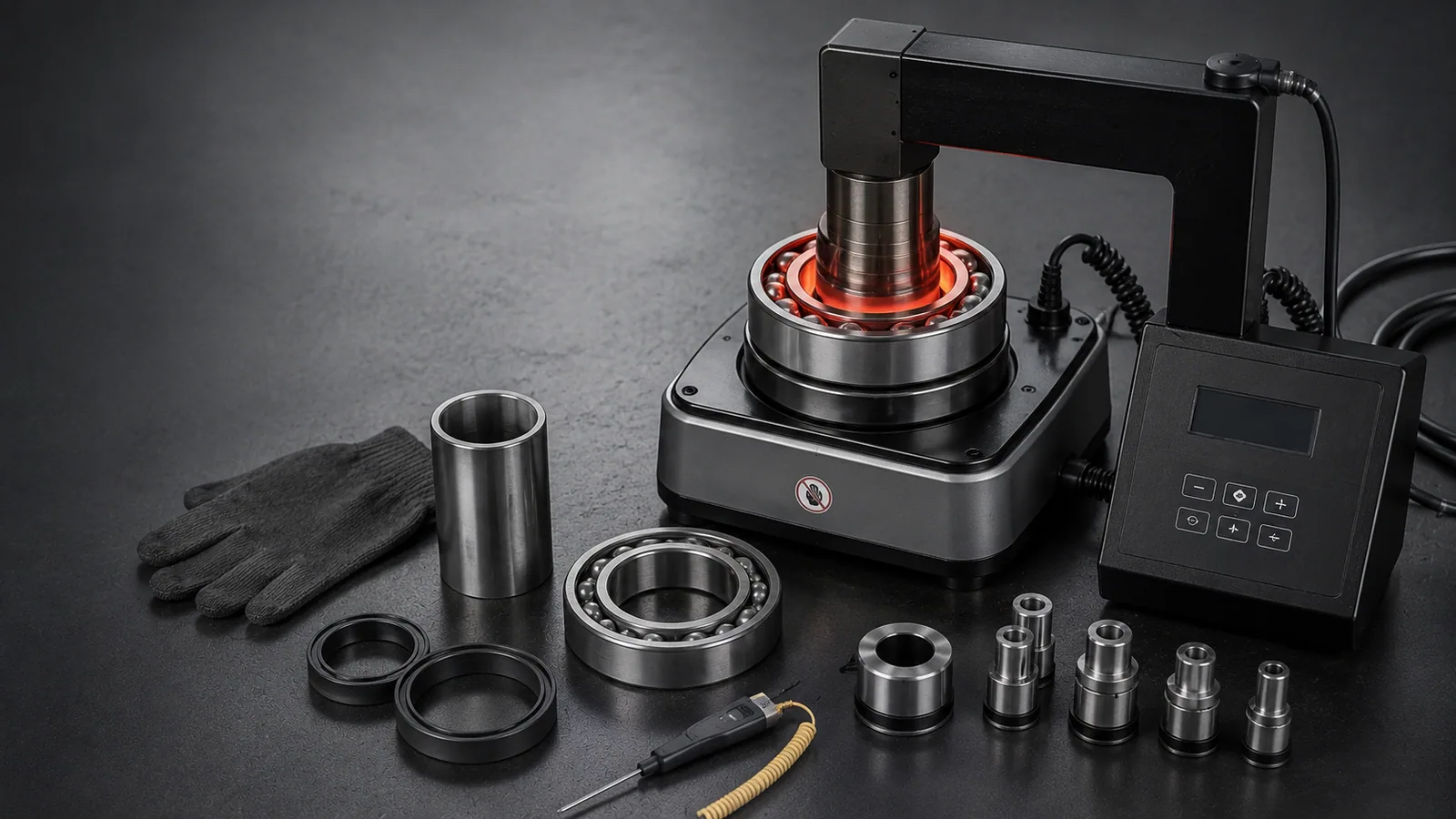
Use purpose-designed sleeves, presses, hydraulic methods or induction heating as appropriate for the type, size and fit. Do not strike hardened bearing rings directly. Never use an open flame to heat a bearing, and observe the manufacturer’s temperature limits for bearings, seals and lubricants.
Verify clearance, alignment and lubrication
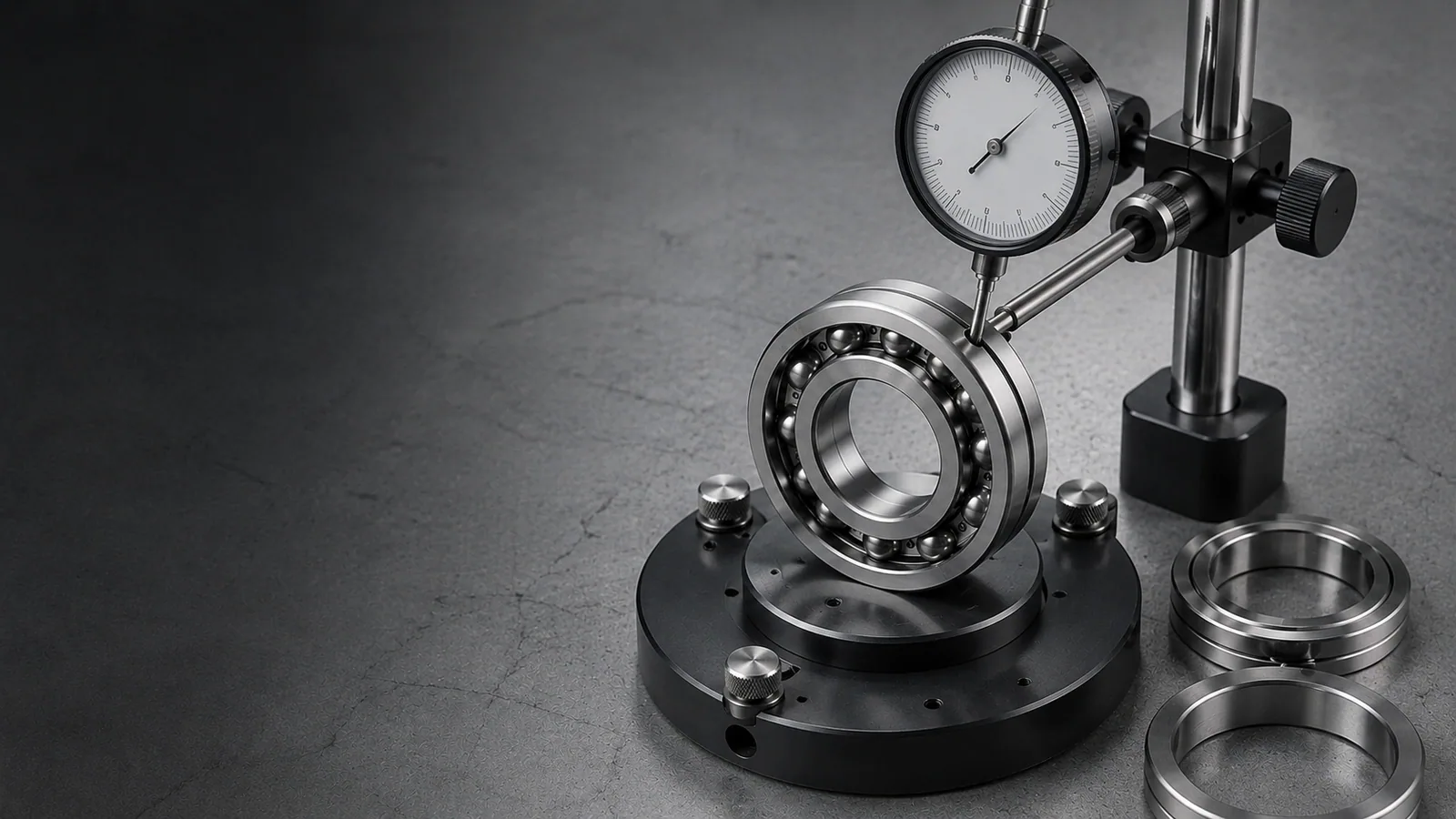
Check that shoulders and locating components seat correctly and that seals are not damaged. Tapered-bore bearings often require controlled drive-up or measured clearance reduction. Incorrect fits or mounting can leave too little operating clearance.
Confirm the intended lubricant, quantity and delivery path. More lubricant is not automatically safer, and contamination introduced during greasing can negate otherwise correct mounting.
Complete a controlled running test
- Rotate small equipment by hand first where safe and applicable.
- Start powered equipment at low speed and low or no load when the machine procedure allows.
- Watch for sticking, abnormal torque, noise, vibration, leakage or rapid temperature change.
- Stop and investigate abnormalities instead of trying to “run in” a suspected mounting error.
- Record the baseline condition for future maintenance comparisons.
Frequently asked questions
Can a hammer be used to mount a bearing?
Direct hammer blows to bearing rings are not acceptable. Limited small-bearing procedures may use a proper mounting tool, but a press, hydraulic method or controlled heating is preferred according to the instructions.
Should a sealed bearing be washed before mounting?
Normally no. Prelubricated sealed bearings are intended to be installed without washing unless the manufacturer gives a specific procedure.
Fact-check sources
This article supports technical discussion and procurement preparation. Final selection, life, speed, fits and lubrication must be confirmed from the offered manufacturer data and actual duty.