Start with the designation, then verify the design
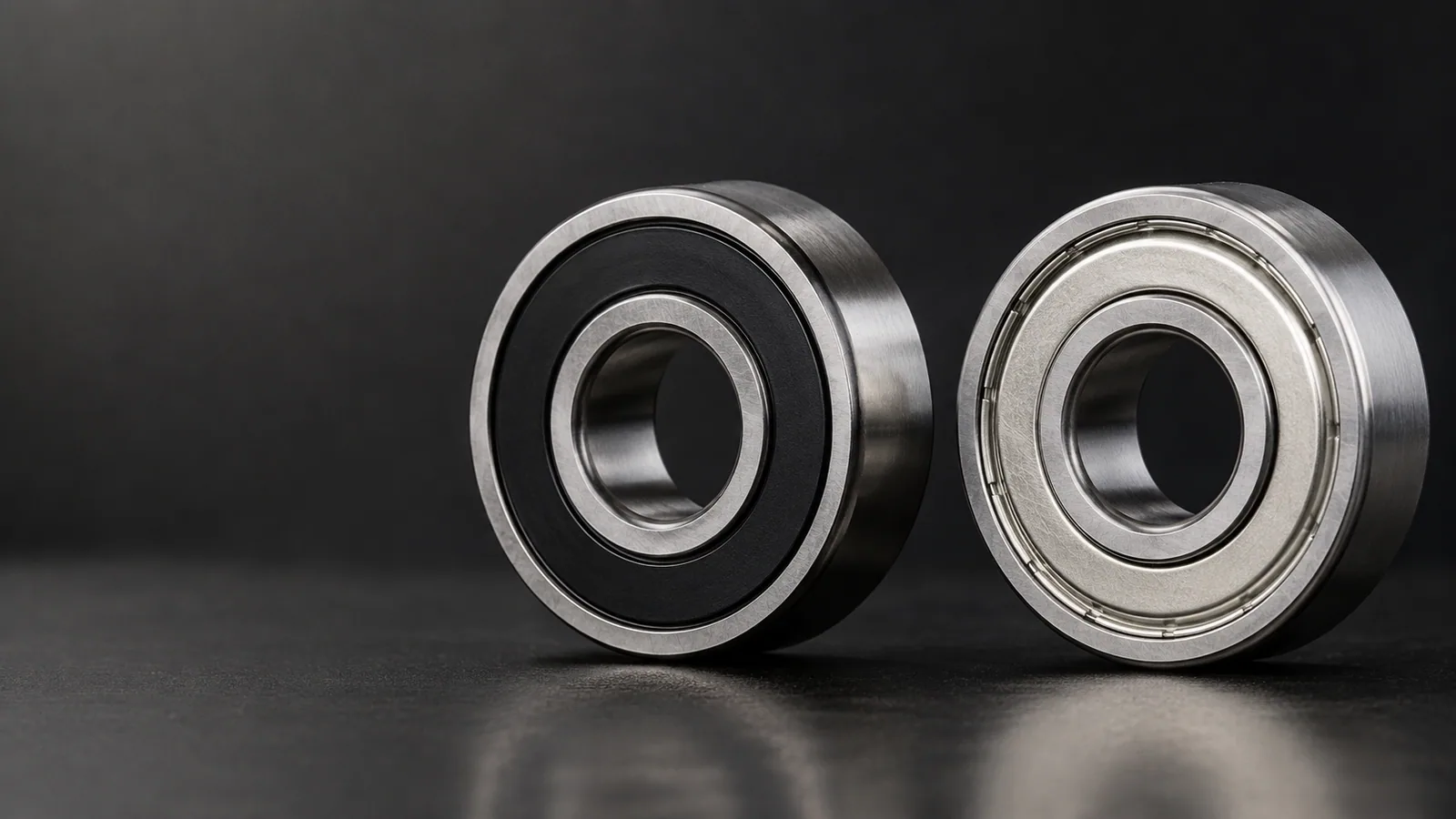
In common bearing notation, 2RS indicates seals on both sides and ZZ indicates shields on both sides. That shorthand is useful, but it is not a universal engineering specification. Manufacturers use related suffixes such as 2RS1, 2RSH, 2RSL, 2Z or ZZ for designs with different lip contact, material and geometry.
For procurement, the suffix should therefore be tied to a manufacturer drawing or catalogue entry. A cross-reference based only on bore, outside diameter, width and the letters “2RS” can miss differences in seal friction, permissible temperature, grease fill and limiting speed.
2RS vs ZZ Comparison Table
Use this comparison as a screening guide. Exact seal contact, materials, grease and permissible speed remain specific to the cited manufacturer designation.
| Seal Type | Protection | Friction | Speed Consideration | Typical Environment |
|---|---|---|---|---|
| 2RS | Contact seals generally provide a stronger barrier against fine dust and moisture. | Typically higher seal friction than non-contact metal shields. | Check the exact sealed-bearing speed rating and expected heat generation. | Damp, dusty or splash-exposed service when seal material and temperature limits are suitable. |
| ZZ | Metal shields help retain grease and exclude larger particles but provide limited moisture sealing. | Generally lower enclosure friction because the shields are normally non-contact. | Often considered where speed and low heat matter; use the exact shielded-bearing rating. | Cleaner, drier environments with limited fine contamination or liquid exposure. |
Protection, friction and speed are a trade-off
A shield is normally a thin metal disc that forms a narrow non-contact gap with the inner ring. It helps retain grease and blocks larger particles while adding little seal friction. A contacting elastomer seal runs against a counterface on the inner ring, giving a stronger barrier against fine dust and moisture but adding friction and heat.
This does not mean every sealed bearing is slow or every shielded bearing is unsuitable for dust. Modern low-friction and heavy-duty seal designs vary widely. Use the published speed rating for the exact bearing and confirm whether that rating assumes the supplied grease and seal configuration.
A defensible selection checklist
- Identify dry dust, splash water, washdown, oil exposure and cleaning chemicals.
- Record continuous and peak speed, ambient temperature and expected bearing temperature.
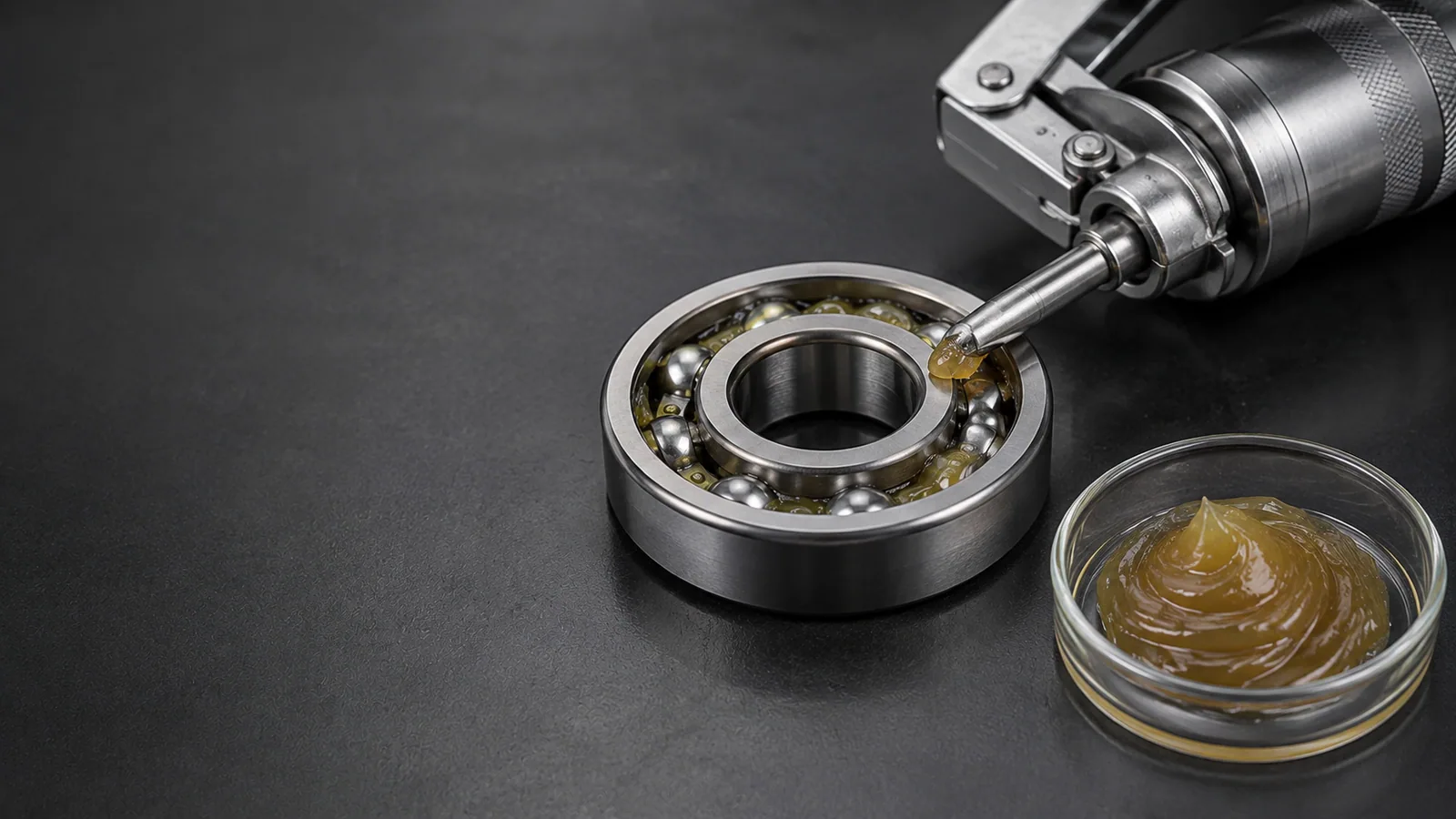
- Confirm whether relubrication is possible or the bearing must be lubricated for life.
- Check seal material compatibility with temperature and process fluids.
- Match the original equipment seal arrangement unless an engineering review approves a change.
When to Choose 2RS
Consider a 2RS configuration when the bearing position needs a stronger integral barrier against fine contamination or moisture and the exact seal material is compatible with the temperature and process fluids. Verify seal friction, heat generation, grease life and the published speed limit for the exact designation.
When to Choose ZZ
Consider a ZZ configuration in cleaner, drier service where low enclosure friction and speed capability are priorities. A metal shield is not a contact seal, so confirm whether external sealing or a different enclosure is needed for fine dust, water or washdown exposure.
Practical decision rule
Choose the sealing system from the environment first, then verify speed, heat and grease life. For a clean, high-speed electric motor, a shield or low-friction seal may be appropriate. For wet or dirty service, a contacting seal or external sealing arrangement may be necessary. The final choice belongs to the complete bearing arrangement, not the suffix alone.
Published sealed and shielded variants
Open each model page to compare dimensions, cited speed data and RFQ requirements. A shared boundary envelope does not make enclosure designs or performance identical.
Continue with seal types and 6200 series dimensions
Use the seal types guide to review open, shielded and sealed structures, then compare published variants in the 6200 series dimension reference.
Frequently asked questions
Can 2RS and ZZ bearings be interchanged?
Only after checking the exact manufacturer data. Boundary dimensions may match, but friction, speed, grease and contamination protection can differ.
Are sealed bearings always lubricated for life?
Many small sealed bearings are factory greased, but “for life” depends on the application duty and manufacturer limits. Confirm the catalogue statement for the exact product.
Fact-check sources
This article supports technical discussion and procurement preparation. Final selection, life, speed, fits and lubrication must be confirmed from the offered manufacturer data and actual duty.