
Industry application hub
Industrial bearing applications.
Start with the equipment and operating conditions, then review suitable bearing families and reference model data before requesting engineering confirmation.
Browse industry solutions.
These five priority pages connect application duty, bearing-family selection, published model references and the existing RFQ process.
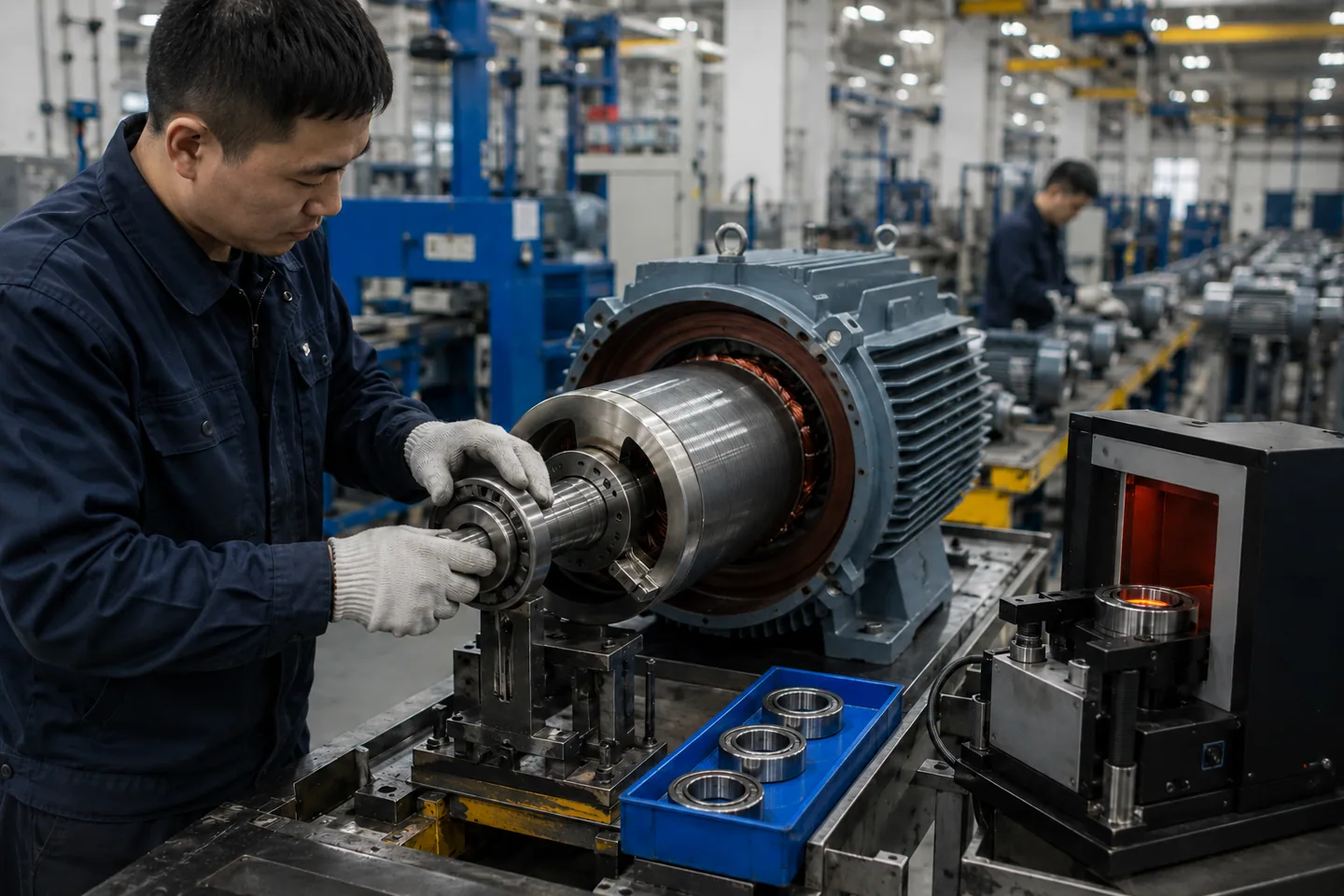
Electric Motor Bearings
Electric motor bearings support the rotor, maintain the air-gap relationship and help the shaft run with controlled friction, noise and vibration. Selection begins with the actual motor arrangement—not a bearing number alone.
- High rotational speed
- Continuous duty
- Noise requirements
- Vibration control
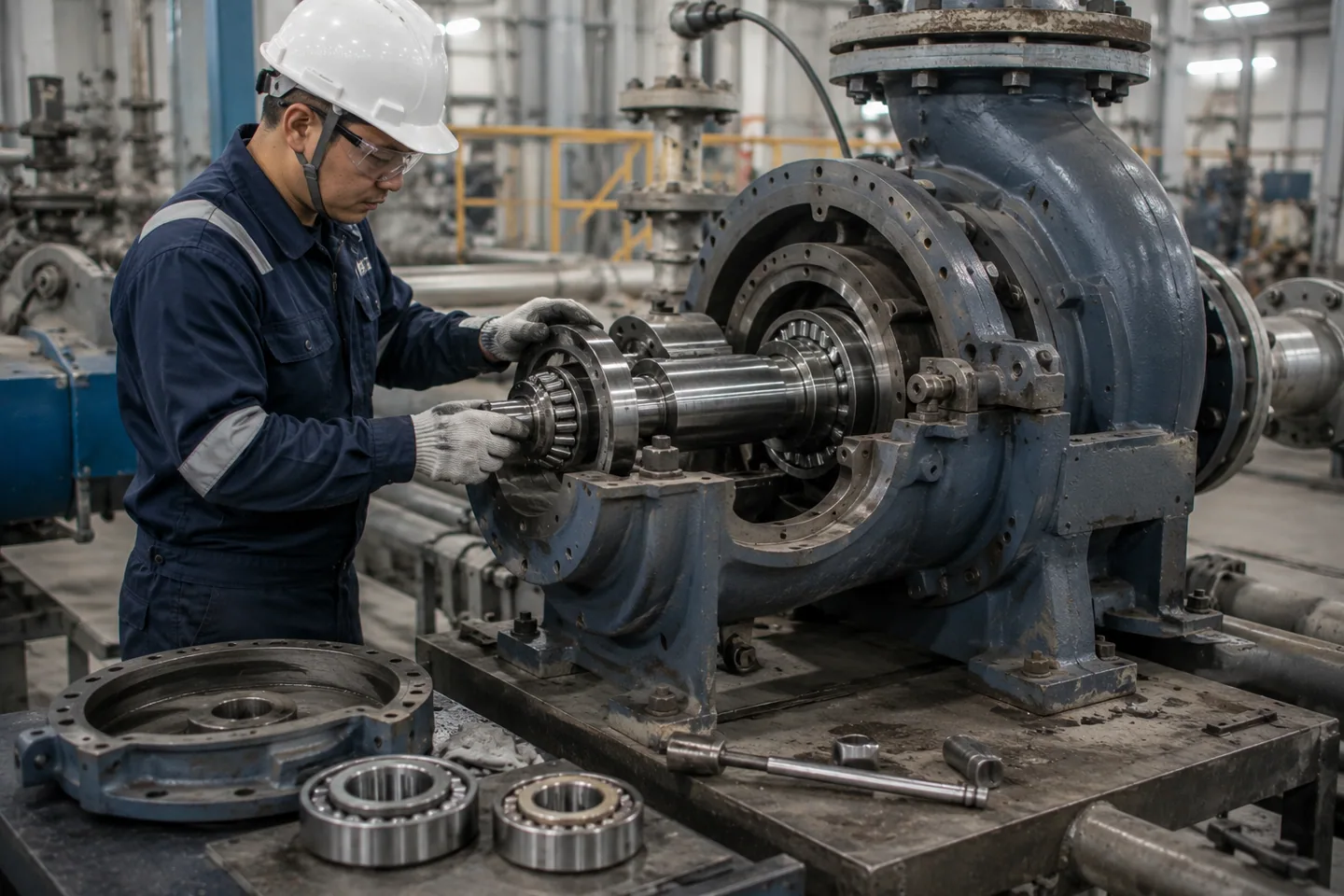
Pump Bearings
Industrial pump bearings locate and support the shaft while the impeller, coupling and hydraulic forces create changing radial and axial duty. The correct arrangement depends on the pump design, load direction, speed, lubrication system and surrounding process environment.
- Continuous operation
- Radial load
- Axial load
- Combined load
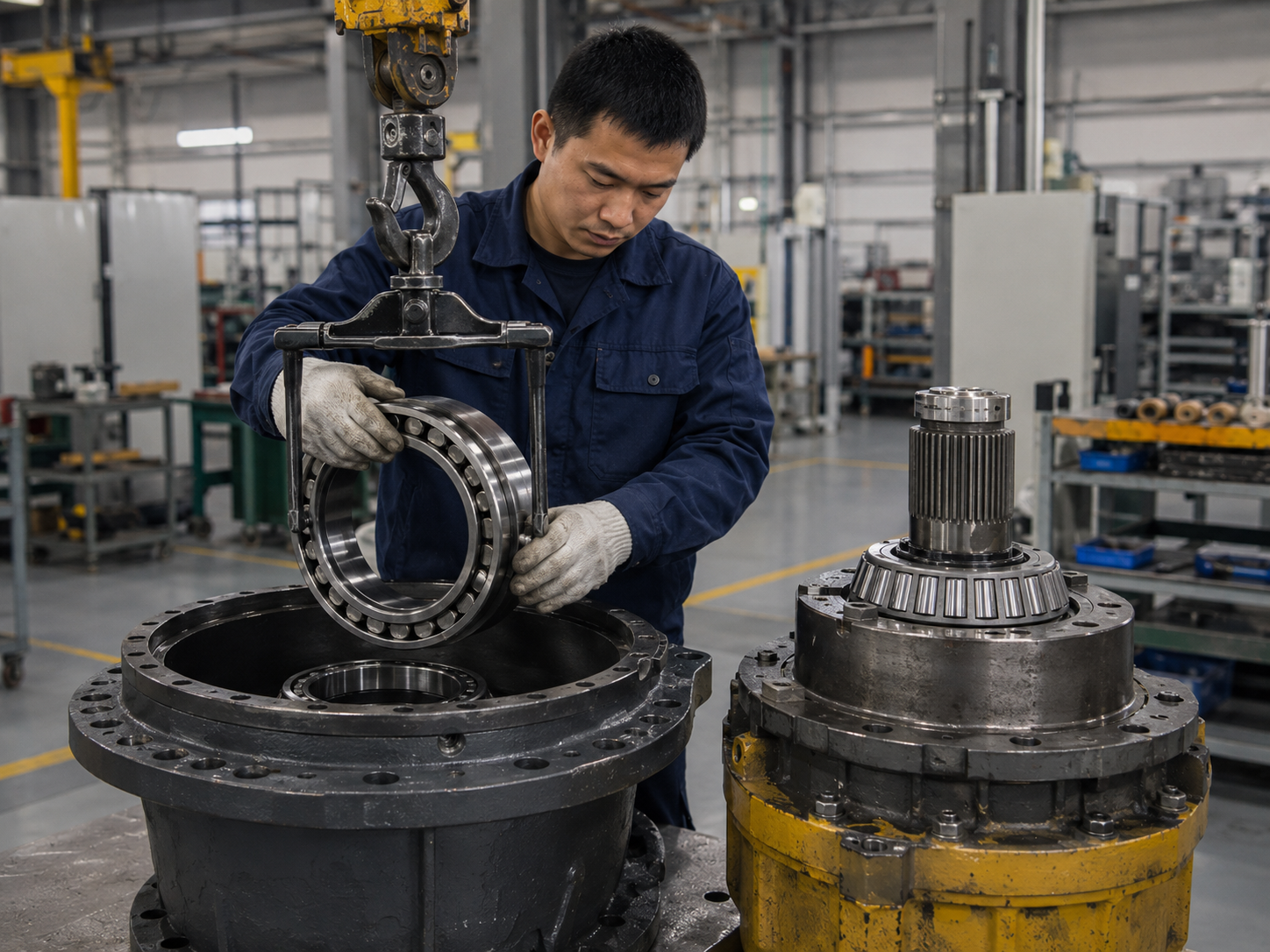
Gearbox Bearings
Gearbox bearings support shafts and maintain gear alignment while tooth forces generate radial and axial loads. Gear type, shaft position, housing stiffness, speed, lubrication and deflection must be reviewed as one bearing arrangement.
- Radial load
- Axial load
- Combined load
- Gear mesh vibration
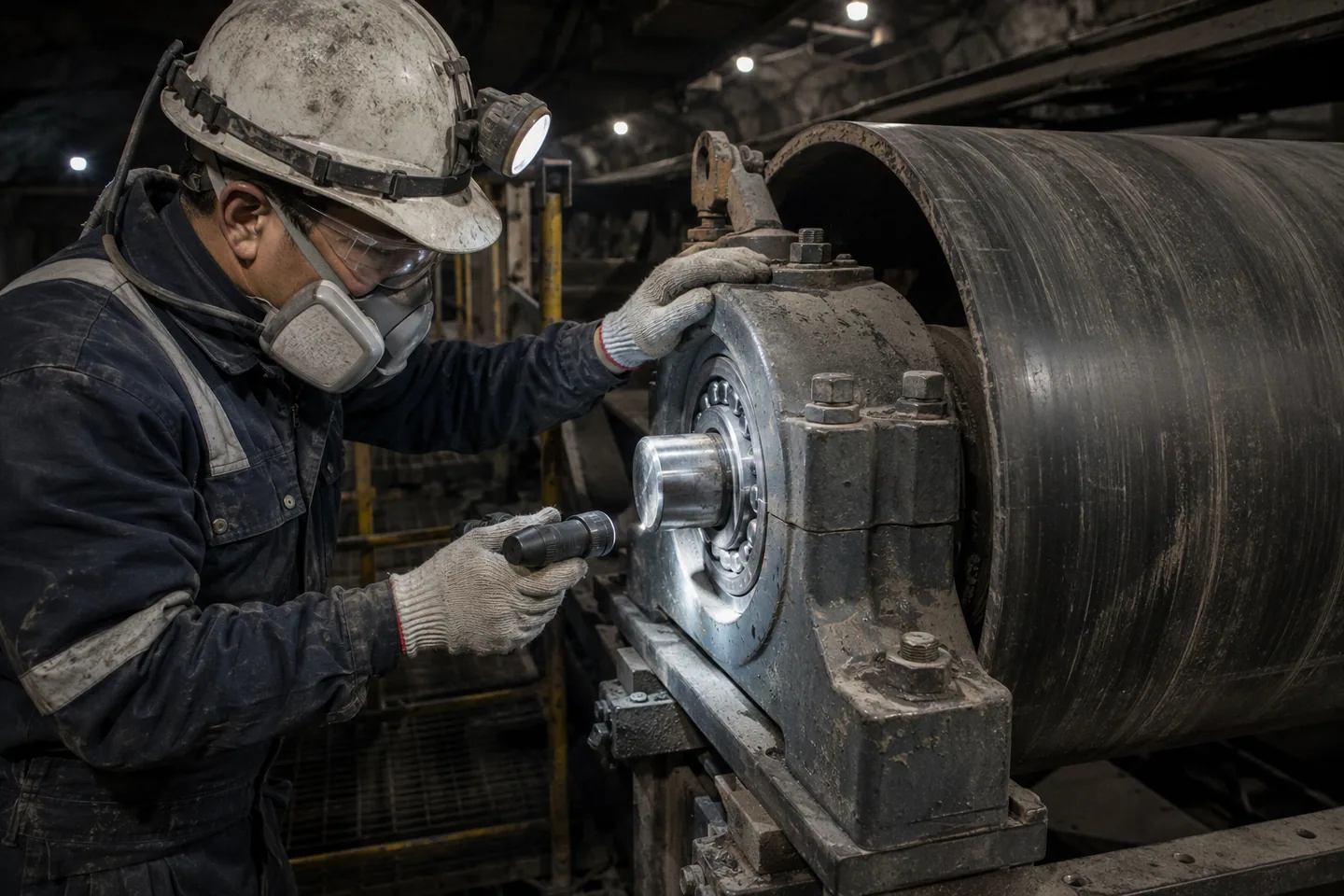
Mining & Conveyor Bearings
Mining and conveyor bearings operate where heavy material loads, shock, abrasive dust, moisture and difficult maintenance access can combine. Bearing type, housing, seals, lubrication and mounting must be evaluated as a complete arrangement.
- Heavy radial load
- Shock loading
- Dust
- Moisture
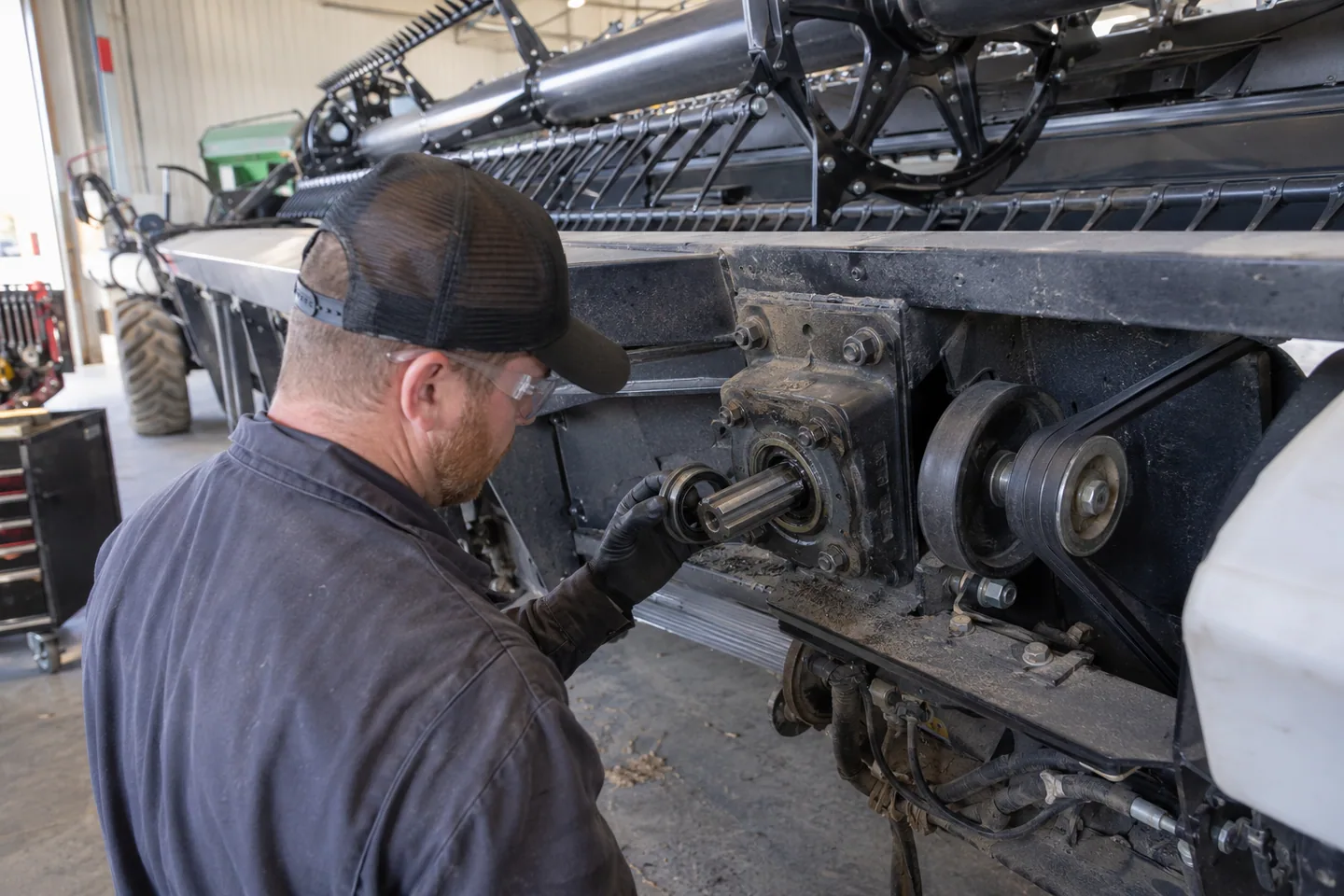
Agricultural Machinery Bearings
Agricultural machinery bearings face soil, dust, crop residue, moisture, shock and seasonal operating cycles. Selection must account for the complete bearing, housing, seal, lubrication and mounting arrangement at each machine position.
- Dust
- Mud
- Moisture
- Shock loading
Send the duty, not only the part number.
Share load direction, speed, temperature, contamination, fits and target life so the bearing arrangement can be reviewed in context.