
Define the duty before choosing a series
SKF’s published selection process starts by documenting required performance, operating conditions and application prerequisites. The core inputs include load, speed, temperature, lubricant and lubricant cleanliness, but space, stiffness, noise, misalignment, mounting and cost can also control the decision.
Record normal, maximum and transient conditions. A bearing that works at the nominal operating point may still be unsuitable for start-up loads, shock, seasonal temperature changes or an occasional overspeed.
Use rating life for what it actually represents
ISO 281 defines methods for basic dynamic load rating and rating life. Its basic rating life is associated with 90% reliability under the standard’s stated assumptions. Modified life can account for reliability, lubrication condition and contamination.
ISO 281 explicitly does not cover wear, corrosion or electrical erosion. A calculated life value is therefore not a complete service-life guarantee. Seal performance, fits, lubrication, handling and maintenance must be assessed separately.
Minimum application data
- Radial and axial loads, direction, duty cycle and shock loads.
- Continuous, peak and reversing speed; acceleration where relevant.
- Ambient, shaft, housing and expected bearing temperatures.
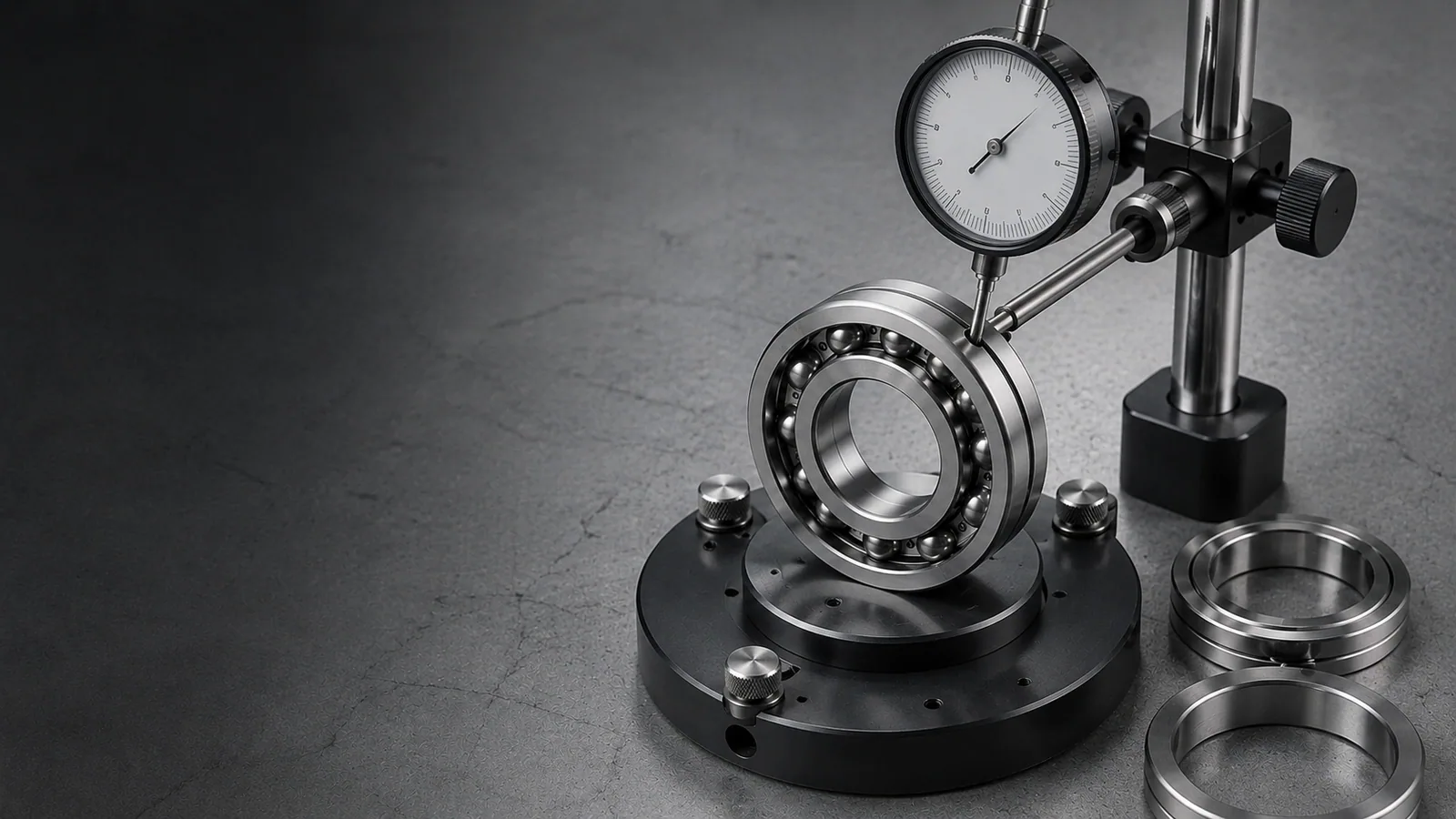
- Shaft and housing dimensions, tolerances, material and stiffness.
- Contamination, moisture, chemicals, electrical current and vibration.
- Required life, reliability, noise, runout and maintenance access.
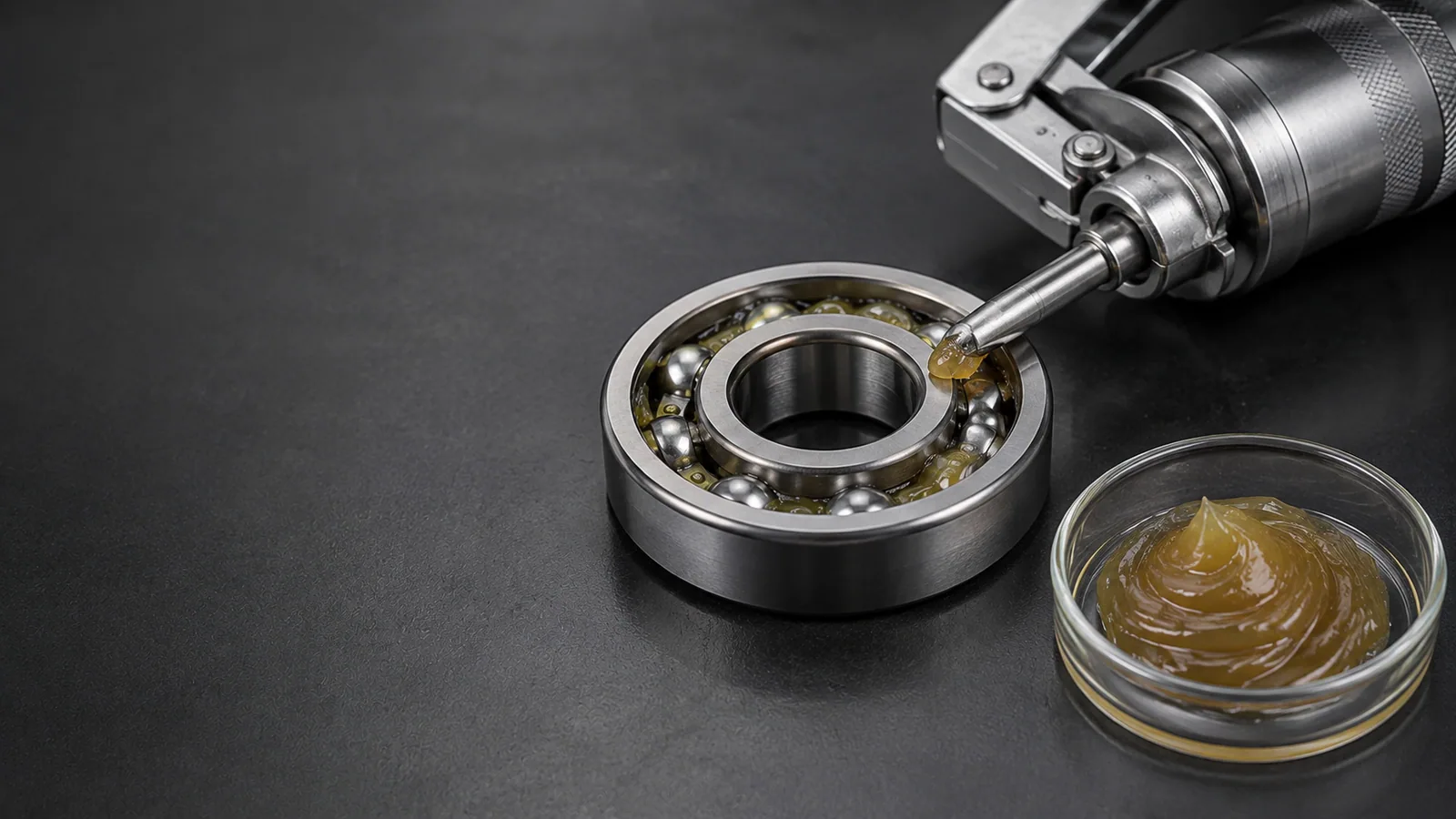
- Preferred lubrication, relubrication method and installation constraints.
What a supplier should return
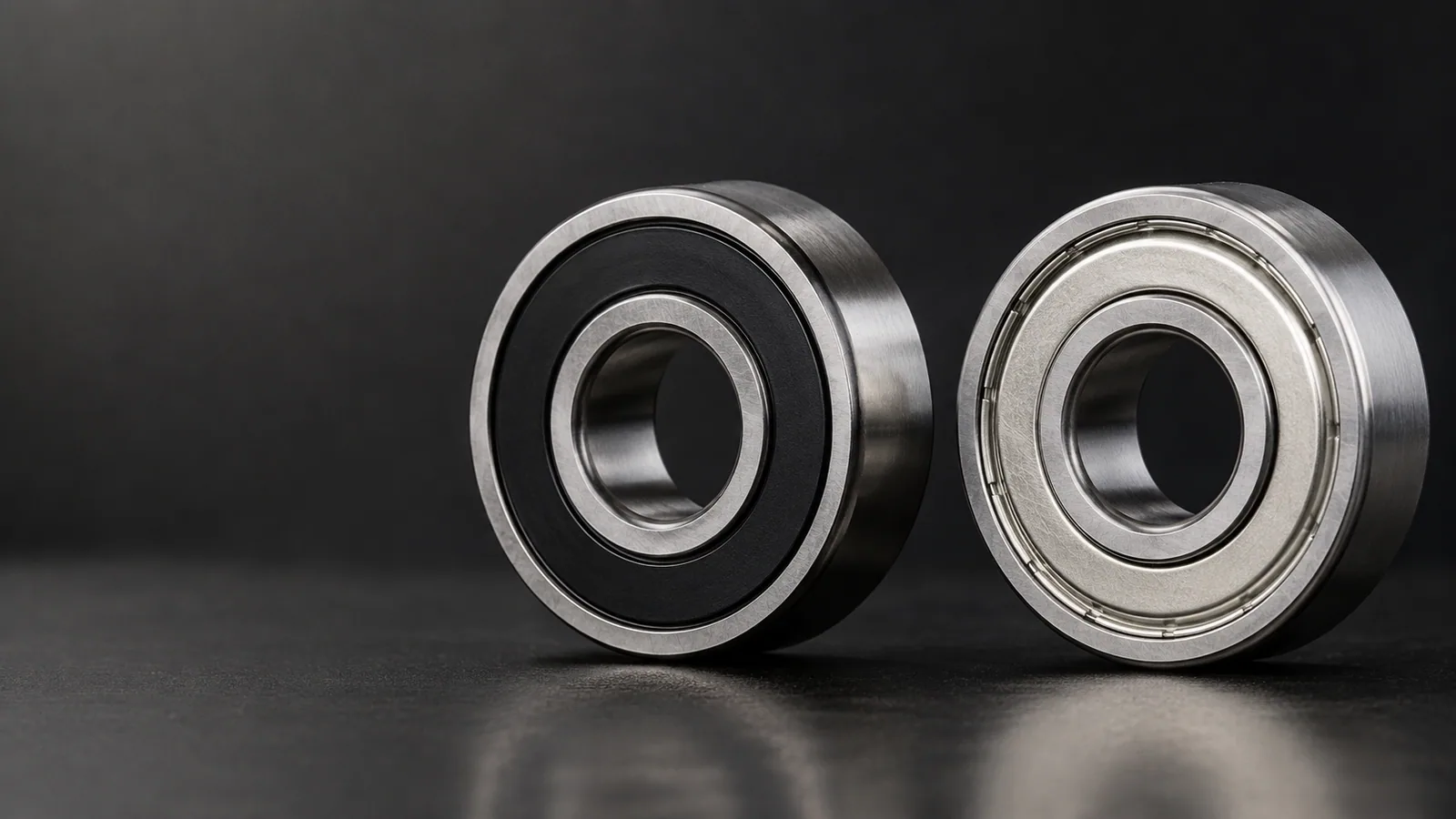
A useful proposal identifies the exact bearing designation, boundary dimensions, internal design, material, clearance, tolerance class, cage, seal, lubricant, ratings and speed limits. It should also list assumptions and any values that still require confirmation. If the duty is safety-critical or highly variable, application engineering review is more appropriate than a catalogue-only substitution.
Frequently asked questions
Is the bearing model enough for a quote?
It can start a quote, but application, quantity and destination are needed for a meaningful commercial response, and operating conditions are needed for selection validation.
Does a higher dynamic load rating always mean a better bearing?
No. Rating is one input. Size, friction, speed, stiffness, clearance, lubrication and arrangement suitability can be equally decisive.
Fact-check sources
This article supports technical discussion and procurement preparation. Final selection, life, speed, fits and lubrication must be confirmed from the offered manufacturer data and actual duty.