Begin with the interfaces
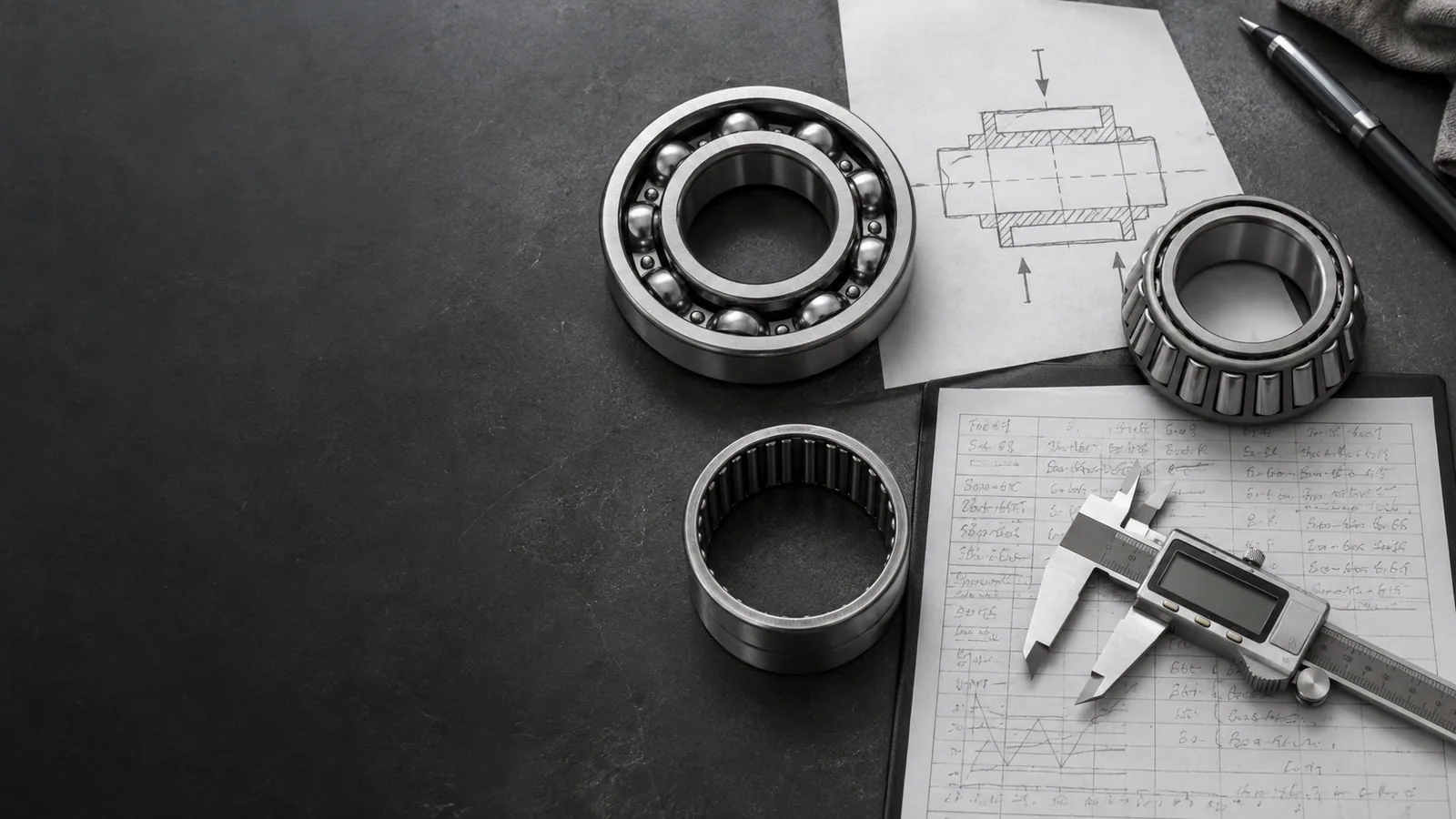
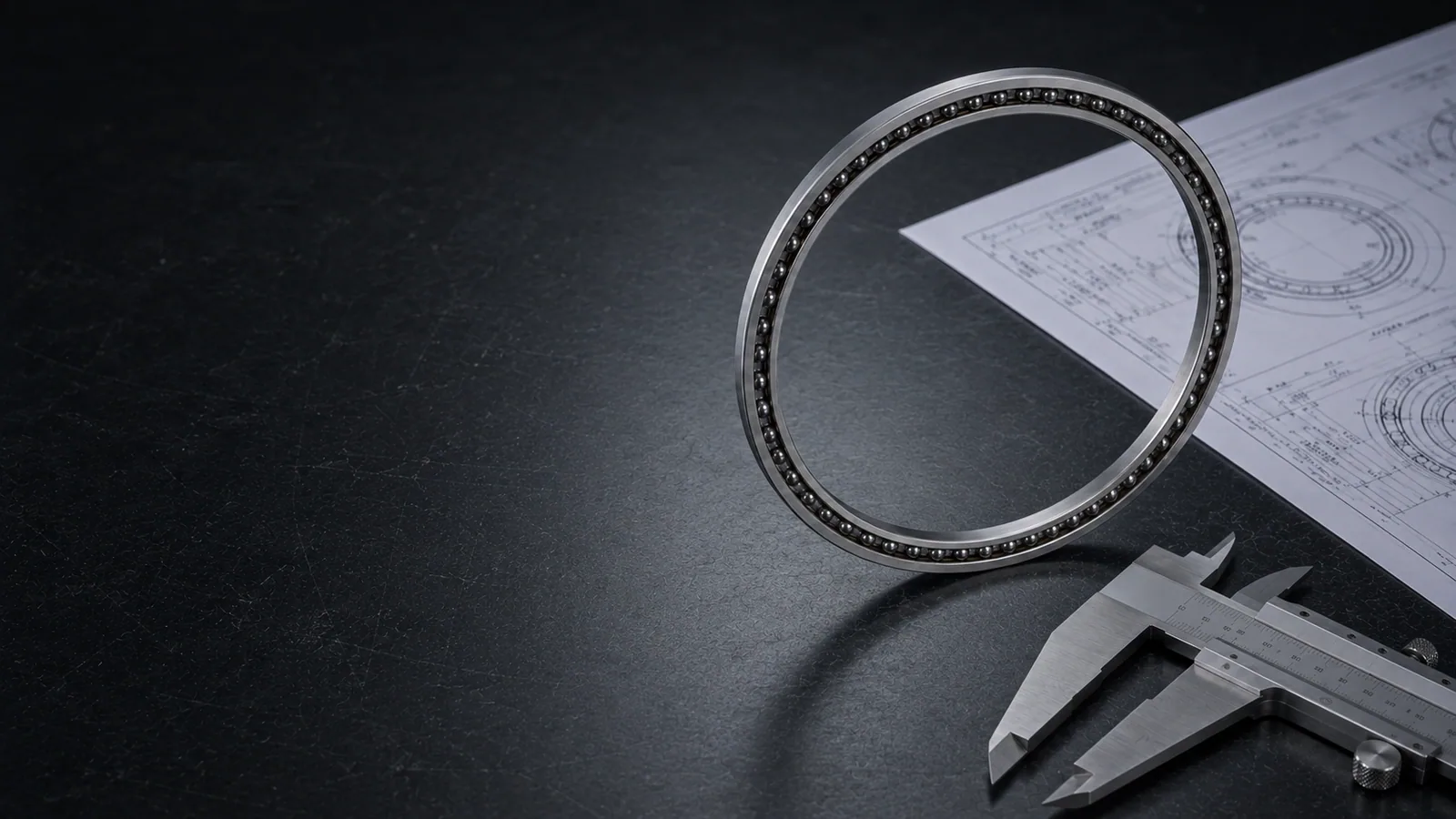
A custom request should identify every surface that connects to the shaft, housing, seal, spacer, nut or adjacent component. Define datums, bore, outside diameter, width, shoulders, chamfers, grooves and lubrication features with tolerances and surface requirements.
Avoid applying tight tolerances everywhere. ISO 492 provides a standardized framework for radial bearing interface tolerances, but special bearing features may need drawing-specific controls. Every drawing should have a number, revision and approval status.
Describe the complete duty
Provide radial and axial loads, moments, speed range, duty cycle, acceleration, shock, vibration, misalignment and required life. Add minimum, normal and maximum temperatures for the bearing and surrounding components.
Describe dust, water, process fluids, vacuum, electrical current, cleaning and storage. If values are estimates, mark them as estimates and state the expected range. The manufacturer cannot responsibly validate what has not been defined.
Specify performance without prescribing the wrong solution
State required outcomes such as running accuracy, friction torque, noise, stiffness, corrosion resistance, lubricant life or seal performance. Where possible, specify the test method and acceptance limit.
Materials, heat treatment, cage, seal and lubricant can be stated as mandatory or left for supplier proposal. If a brand-specific material or grease is required, include the exact designation and change-control rule. Rating-life claims should state the calculation method and assumptions; ISO 281 is relevant for conventional rolling-bearing fatigue rating life, not every failure mechanism.
Define the evidence package
- Approved drawing and specification revision.
- Material certificates and heat-treatment records where required.
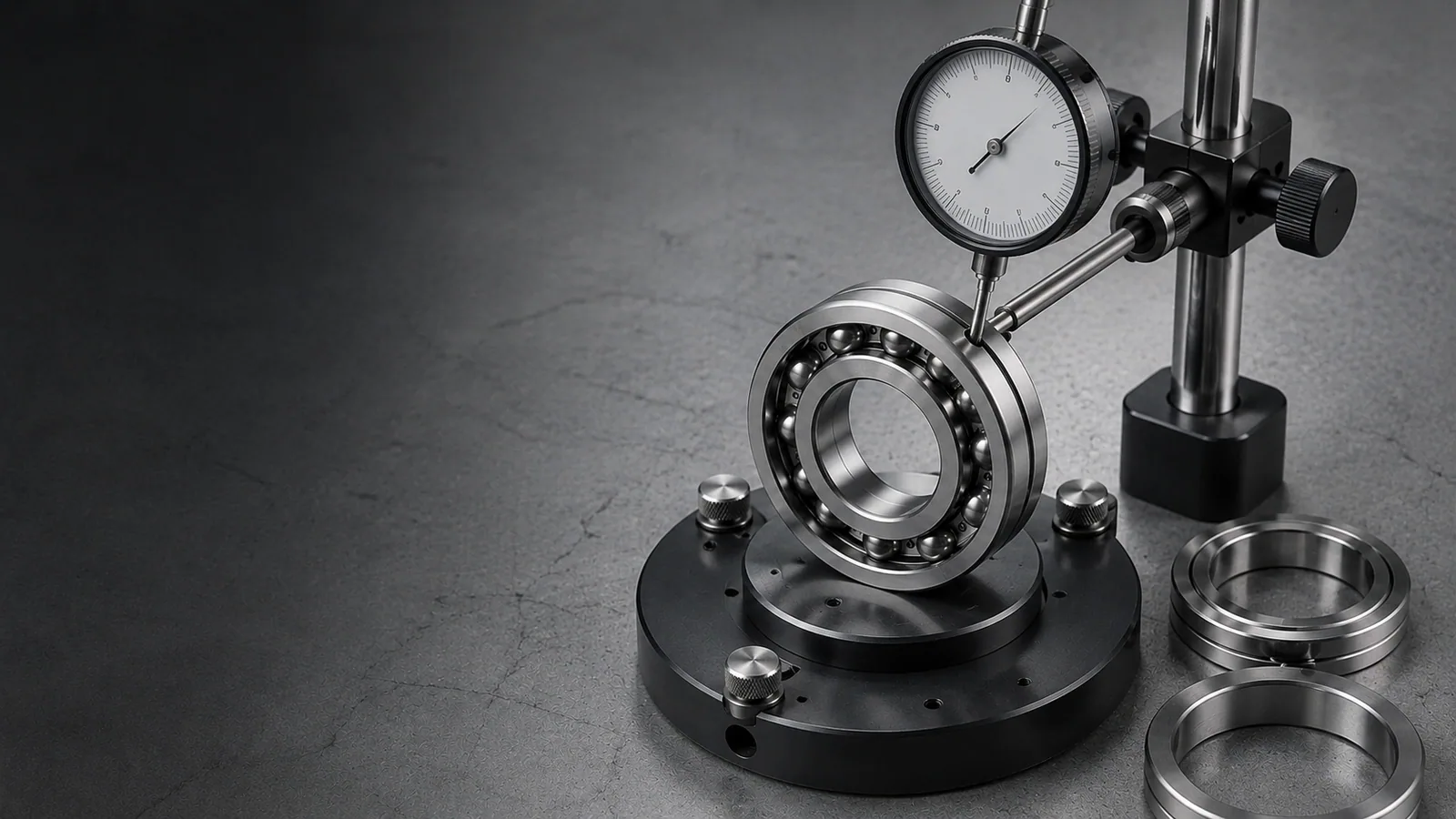
- Dimensional and geometrical inspection report with sampling plan.
- Noise, torque, vibration, seal or life tests when applicable.
- Lot traceability, marking and packaging requirements.
- First-article approval and rules for process or supplier changes.
Frequently asked questions
Is a sample enough to start a custom bearing project?
A sample helps, but it does not reveal all materials, tolerances, loads or acceptance criteria. Add a drawing and application data wherever possible.
Who owns the final specification?
The commercial parties should define this in the contract. Technically, production should follow a mutually approved, revision-controlled drawing and specification.
Fact-check sources
- SKF Rolling bearings catalogue — application data
- ISO 492:2023 — Radial bearing tolerances
- ISO 281:2007 — Dynamic load ratings and rating life
This article supports technical discussion and procurement preparation. Final selection, life, speed, fits and lubrication must be confirmed from the offered manufacturer data and actual duty.